
Housing as a Driver of Community Economic Development
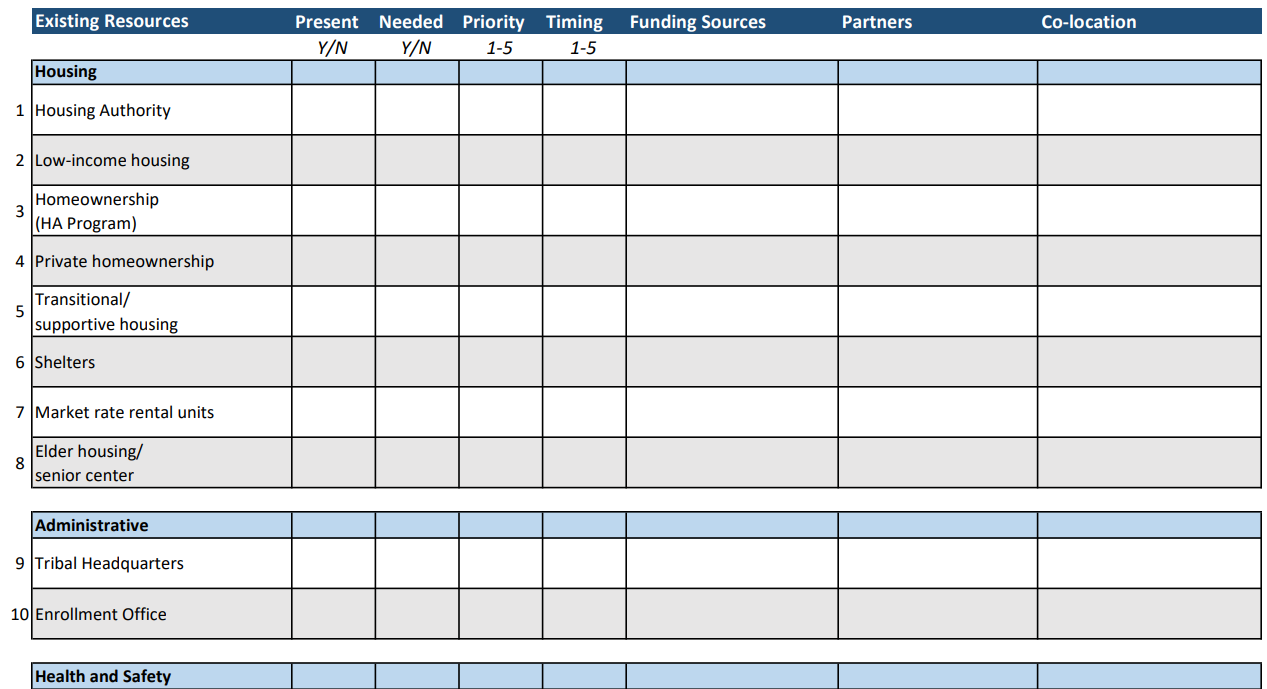
This workshop, facilitated by the Indigenous Economic Development Community of Practice in-person as a pre-convention activity prior to the 2025 NAIHC Annual Convention & Tradeshow in Los Angeles, CA, explored innovative approaches for co-locating housing development with other valuable assets and vital infrastructure in tribal communities.
Session Slides:
Workshop Materials:
Subject Matter Experts:


Workshop Summary
Integrated Community and Financial Planning as a Foundation for Successful Economic Development
Successful economic development in tribal and Native communities requires intentional coordination across sectors. Housing must be planned alongside transportation, utilities, broadband, and community facilities, for example, to ensure developments function sustainably and are designed to be responsive to community needs. This integrated approach reflects a broader shift away from siloed funding and toward cross-agency collaboration and layered financing strategies, an approach increasingly supported by federal partners.
Beyond the traditional components of economic development that include job and business creation, revenue generation, and fostering economic opportunity, community economic development (CED) in tribal and Native communities incorporates a broader set of core infrastructure and community-based factors such as community facilities, institutions, and cultural considerations.
Examples of Infrastructure that Underlie Community Economic Development
Physical Infrastructure
Transportation (roads and transit)
Utilities and power
Broadband and internet
Economic Infrastructure
Small business development centers
Financial institutions
Market access
Social Infrastructure
Housing
Education and Healthcare
Cultural hubs and tribal tourism
Housing as Core Social Infrastructure
Housing functions as essential social infrastructure within the broader CED framework. Alongside education and healthcare, housing stability directly influences workforce readiness and economic participation.
When housing is insufficient or unstable, communities experience:
Workforce instability and outmigration
Lower educational attainment
Increased strain on health and social services
Conversely, investments in safe, affordable housing support employment, learning outcomes, and long-term economic resilience, reinforcing housing as a prerequisite—not a byproduct—of economic growth.
The Circulation of Tribal Community Dollars
Housing contributes to the circulation of capital within tribal economies. Housing development activates multiple economic pathways:
Construction and maintenance create local jobs
Household spending supports small businesses
Infrastructure investments enable further development
Stable housing allows individuals to pursue education and employment
Homeownership builds community wealth and equity
This interconnected system demonstrates that investments in housing generate multiplier effects across sectors, strengthening both economic activity and community well-being.
Pause the demonstration to explore a critical connection in more detail.
Expanding the Housing Continuum
Tribes and tribal communities should explore a range of housing strategies tailored to different community needs, including:
Student housing to strengthen education pipelines and workforce development
Elder housing to reduce caregiving burdens and support aging populations
Healthy homes initiatives to address environmental hazards impacting health
Workforce and mixed-income housing to retain essential workers and create revenue-generating assets
Homeownership to enable families to transition from renters to asset holders, reducing long-term reliance on subsidized housing systems and building equity that can be reinvested in education, entrepreneurship, and future generations
These approaches collectively address gaps across the housing spectrum, including the “missing middle,” ensuring that communities can support residents at all income levels.
Permanent Supportive Housing
Courtesy of Beaux Simone Consulting
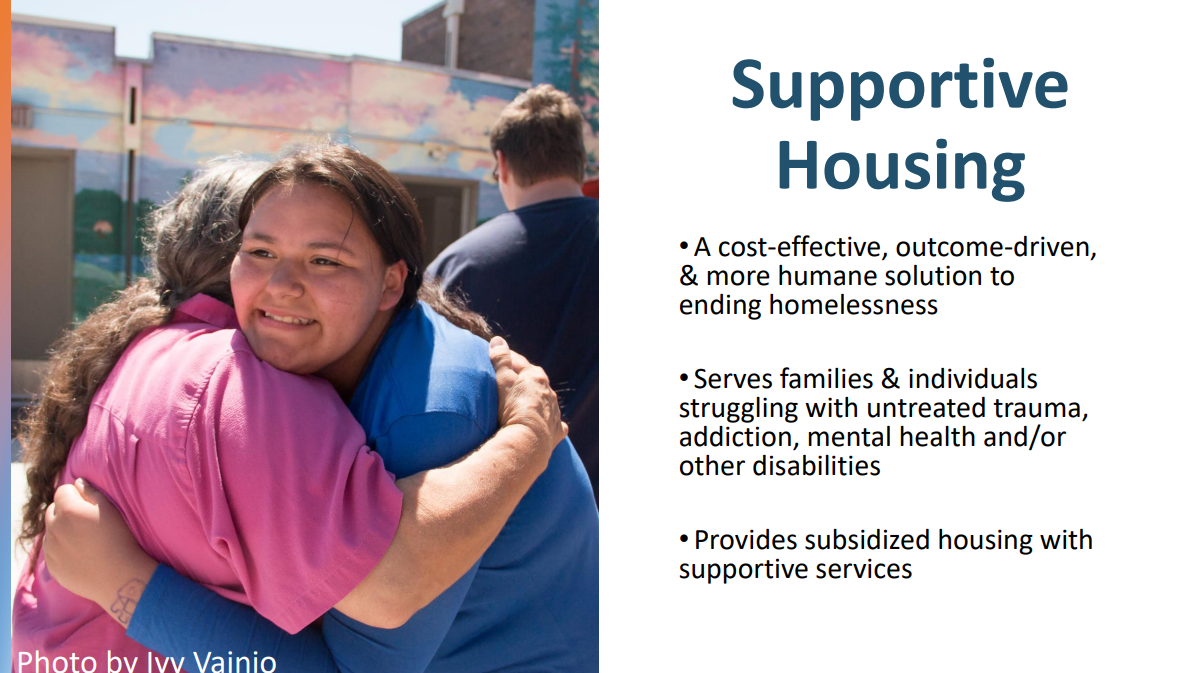
Permanent Supportive Housing, or PSH, is long-term, subsidized housing paired with supportive services for individuals and families facing homelessness or overcrowding, trauma, mental health challenges, or disabilities, or who have recently been discharged from prison or other systems of care.
Core features:
PSH is permanent (no time limit and focuses on long-term stability), affordable (residents pay ≤30% of income), promotes independent living (tenants hold leases and live autonomously), and service-connected (with streamlined access to healthcare, behavioral health, and social supports).
PSH is NOT a shelter, transitional housing, group home arrangement, or treatment facilities.
PSH is a holistic approach to addressing housing needs that is trauma-informed and culturally grounded; emphasizes dignity, safety, and choice; and supports healing, self-sufficiency, and community connection.
PSH has a strong impact on local communities and economies by improving housing stability and health outcomes, reducing strain on social services, and strengthening workforce participation and community well-being.
Housing Development as an Economic Engine
In addition to serving as a foundation for community development, housing development itself functions as a direct economic driver. Housing development projects generate employment in construction, maintenance, and related industries while supporting local suppliers and service providers. Workforce development initiatives and training programs—such as the South Dakota Native Homeownership Coalition’s Construction Internship Program—further enhance local capacity, creating pathways to long-term employment and economic self-determination.
Strategic Development Approaches
There are many different development strategies that align housing with broader CED goals, including:
Adaptive reuse: Repurposing existing structures to reduce costs and revitalize underutilized assets
Mixed-use development: Integrating residential, commercial, and community spaces to maximize land use and efficiency
Co-location of services: Physically and operationally aligning housing with healthcare, education, and commercial amenities to reduce barriers and improve access
Co-location, in particular, is potentially a high-impact strategy for tribal communities, helping to address transportation challenges, improve broadband access, and create centralized “community hubs” that attract investment and retain residents.
Financing and Capital Stacking
To effectively pursue funding for unique and potentially challenging community development projects, the CoP recognizes the importance of layered financing to support housing development. Given the complexity of projects, successful developments often combine multiple funding sources, including federal programs, tribal investments, and private capital.
Among other tools, New Markets Tax Credits (NMTCs) can be a flexible financing tool to support mixed-use and community-oriented developments. When paired with other mechanisms such as Low-Income Housing Tax Credits (LIHTCs) and grants, NMTCs expand the range of viable projects and enable more comprehensive, community-centered development.
While tools such as LIHTCs and NMTCs are often associated with rental and mixed-use development, speakers emphasized their growing role in supporting Native homeownership-oriented models. When paired with tribal resources and other funding sources, these tools can help expand the scale of homeownership development—supporting both low- and middle-income households and advancing long-term wealth-building opportunities within tribal communities.
Utilizing Low-Income Housing Tax Credits
Presented by Lorna Fogg and Robin Thorne, RTHawk Housing Alliance
Low-Income Housing Tax Credits (LIHTCs) are a critical financing tool that makes affordable housing development feasible by attracting private investment. Rather than relying solely on limited grant funding, LIHTCs allow developers to raise equity by selling tax credits to investors, significantly reducing upfront debt and improving project viability. Lorna and Robin emphasized that LIHTCs are especially valuable in tribal communities because they can be combined with other funding sources (“layered financing”) to close financing gaps, support larger or mixed-income developments, and ultimately expand the scale and sustainability of housing projects.
The examples below highlight how LIHTCs can be strategically leveraged—often in combination with other funding sources—to make complex housing developments financially feasible and expand their impact within tribal communities.
Red Willow Flats (Oneida Reservation, WI)
35 units — including 7 market-rate units:
10 – 1BR (Rents range from $411 - $866)
12 – 2BR (Rents range from $492 - $1,194)
13 – 3BR (Rents range from $1,375 - $1,550)
$12,052,208 total development cost
Investor Equity: $7,218,214
AHP funds: $700,000 - FHLB of Chicago.
1822 Gap Financing: $4,133,993
Developer Fee - $735,000
Lac Vieux Desert Band (Watersmeet, MI)
44 units in a 3-story complex
13 1-BR, 20 2-BR, and 11 3-BR units
Office & community space
47 total parking spaces
$15,311,501 total development cost
Investor Equity: $11,944,622
Applied AHP funds: $3,000,000
Applied TNHDA Gap Financing: $350,000
Tribal Gap Financing: $16,879 (Estimate)
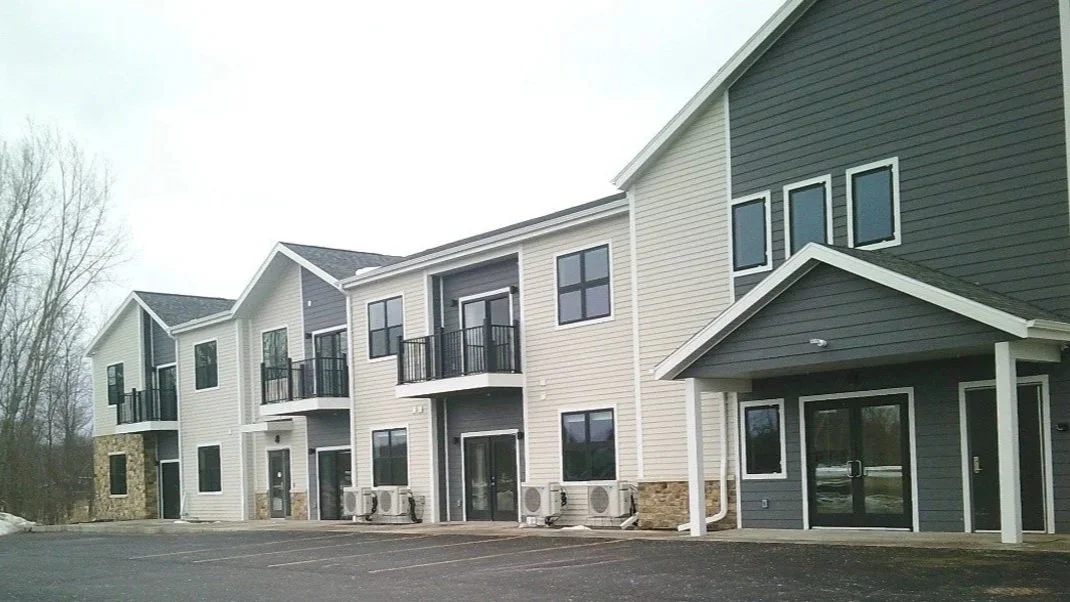
Red Willow Flats (Oneida Reservation, WI)
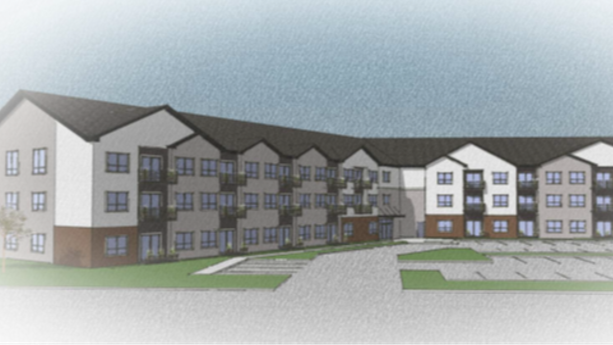
Lac Vieux Desert Band housing development (Watersmeet, MI)
Potential Uses of New Markets Tax Credits
Presented by Adam Rose, Travois
New Markets Tax Credits (NMTCs) are a flexible financing tool that can support a wide range of community development projects—such as clinics, schools, infrastructure, and mixed-use developments—often alongside housing initiatives. While NMTCs typically cover only about 20–25% of total project costs, their key value lies in providing gap financing that does not need to be repaid, making projects more financially feasible.
Adam emphasized that NMTCs are especially useful for co-located and mixed-use developments, where they can fund non-housing components (e.g., health or community facilities) while other tools like LIHTCs support housing. Additionally, NMTCs offer fewer income restrictions and can support homeownership or middle-income housing efforts, giving tribes greater flexibility to meet a broader range of community needs.
Summary of Discussion
This workshop reinforces that housing is a cornerstone of economic development strategy in tribal communities. By adopting integrated planning approaches, leveraging diverse financing tools, and aligning housing with broader community systems, tribes and Native communities can create sustainable developments that generate economic opportunity, improve quality of life, and strengthen long-term resilience. Ultimately, the expansion of Native homeownership emerged as a critical complement to rental housing strategies—offering a pathway not only to stability, but to wealth creation, economic mobility, and long-term community prosperity.
Much like other CoP trainings that emphasize strategic planning, capital access, and diversification, this session positions housing not simply as an outcome of development—but as a primary catalyst for it.
Closing Thoughts
Learn more about the critical role housing plays in supporting tribal community economic development by reviewing the summary and accompanying materials for the “Linking Housing and Economic Development” workshop hosted by the CoP in 2024.
Questions, with answers from the Resource Group and fellow participants, will continue to be posted in the Knowledge Bank on the CoP website. If you have questions that you want answered, please ask them to the LinkedIn group or share it with the CoP administrators.
Additional Resources


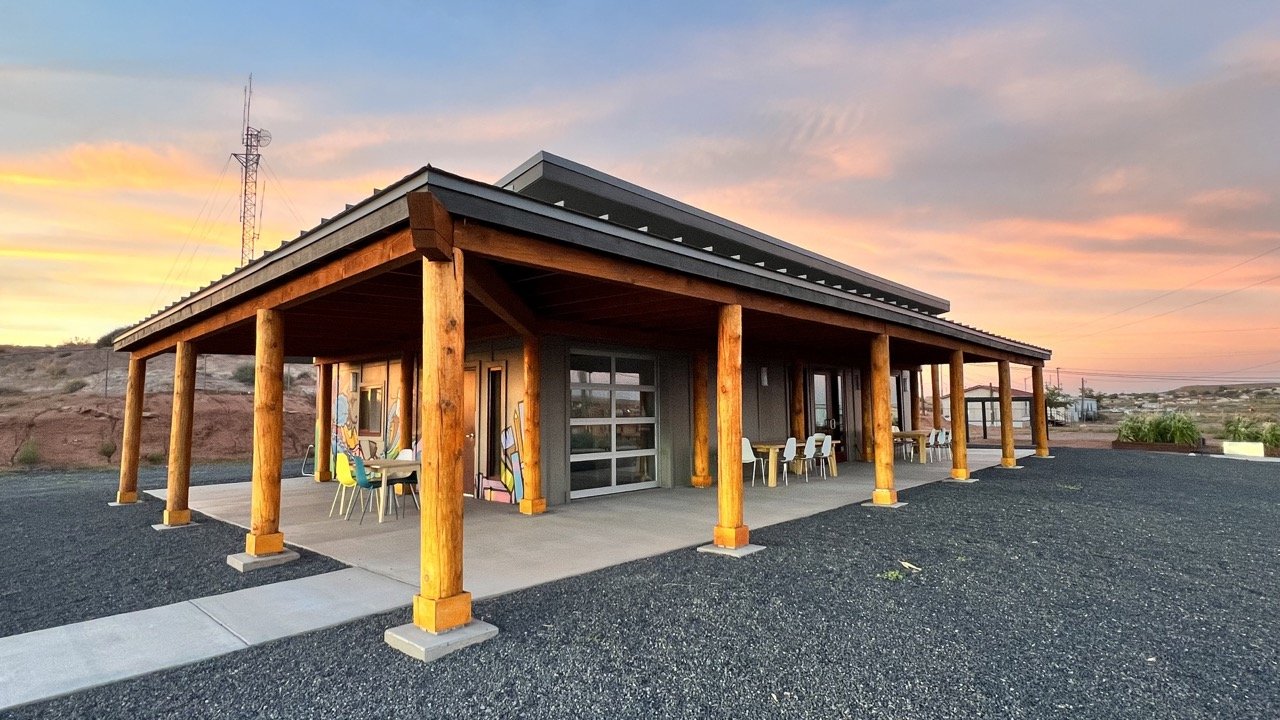


Learn about the CoP Resource Roadmap which links the sectors of Community Economic Development.