
Implementing Economic Development Plans in Native Communities
This toolkit builds on the planning process outlined in A Toolkit for Economic Development Planning in Native Communities by providing guidance and considerations for tribal leaders, partners, consultants, contractors and other stakeholders responsible for plan implementation.
It includes practical guidance on how to inventory and develop infrastructure in tribal communities, establish mutually beneficial partnerships that respect tribal sovereignty, train and develop adequate housing for a local workforce, build funding strategies, engage broader economies, and set metrics and feedback loops to measure and adapt projects. The tools, companion worksheets, and examples provided throughout the toolkit allow users to adapt the guidance to fit their local circumstances.
Use the full toolkit to get explore examples and practical guidance and print out the companion worksheets as you navigate each phase.
-
Successful implementation of economic development plans is built on the following principles:
Implementation is an ongoing process that requires regular reassessment and adjustment of priorities, capacity, and opportunities.
Clear roles and accountability help maintain momentum and coordination across partners.
Progress depends on aligning physical infrastructure, human capital, and financing strategies with priority projects.
Collaborations with regional organizations, funders, and implementation partners can fill gaps in expertise and resources.
Tracking progress and outcomes helps communities communicate impact, refine strategies, and position themselves for future investment.
Introduction
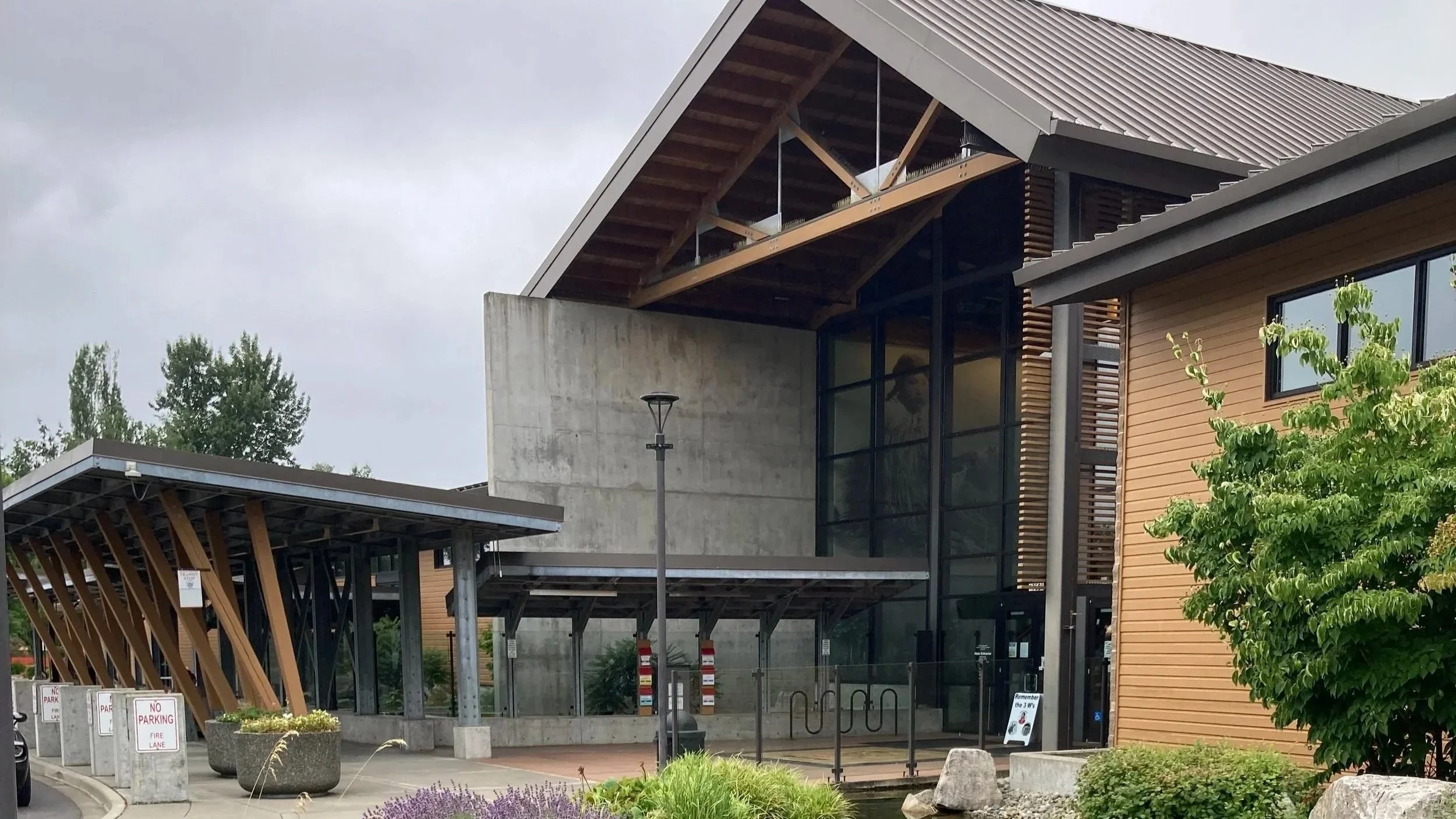
A brief overview of the critical steps needed to prepare for implementing economic development plans in tribal and Native communities, including identifying the entity or department responsible for leading the effort and reassessing project priorities

Chapter 1: Preparing Infrastructure
Guidance on evaluating existing infrastructure in your community and planning targeted improvements that support long-term economic development priorities

Chapter 2: Forming Partnerships and Collaborations
Strategies for engaging key partners, building trust within and beyond the community, and creating clear agreements and structures to support effective collaboration

Chapter 3: Developing a Workforce
An overview of identifying workforce needs, addressing housing challenges, and aligning education and training programs with priority industries and community goals
Chapter 4: Funding Your Projects
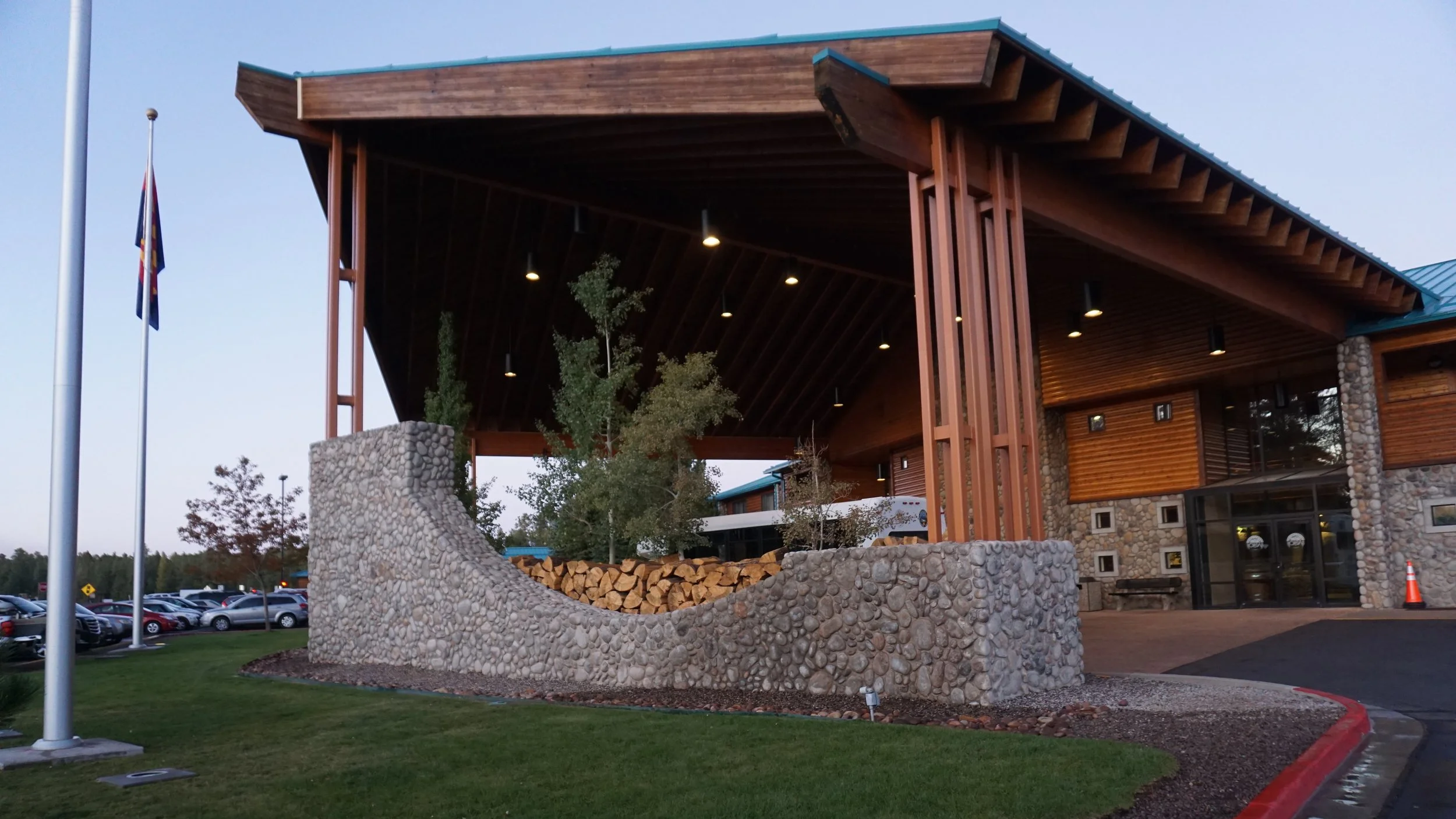
Instruction on identifying funding opportunities, preparing strong proposals, building relationships with funders, and ensuring effective compliance and reporting systems

Chapter 5: Engaging in Broader Economies
Guidance on connecting tribal enterprises to regional, federal, and international markets, including federal contracting and trade opportunities
Chapter 6: Measuring and Tracking Progress
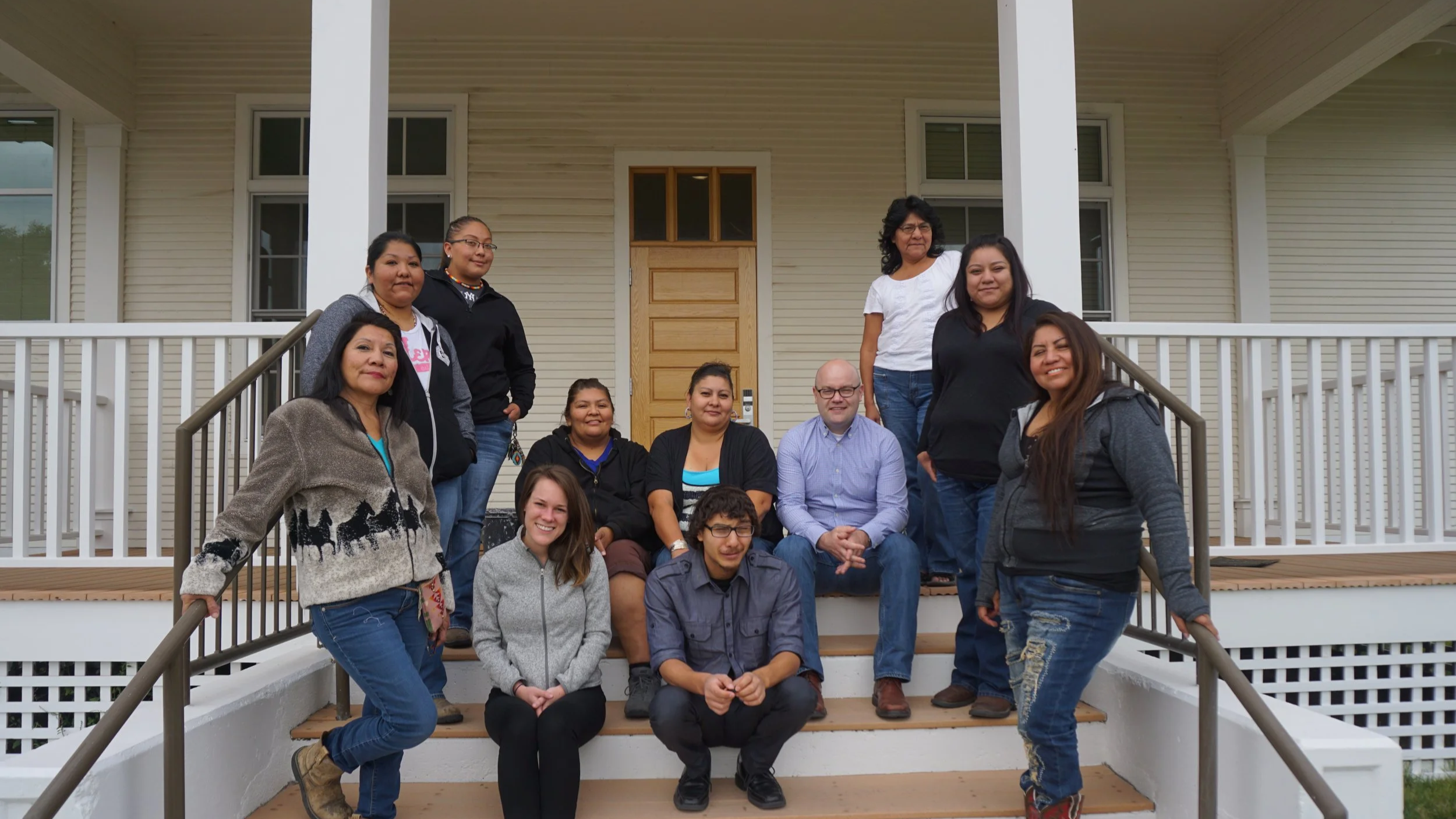
Tools for setting metrics, gathering data, reviewing progress, and updating plans to sustain long-term economic development efforts