Kristy McCarthy Weight - Blue Water Grant Development, LLC says:
I would say some common mistakes are not giving yourself enough time for implementation or not budgeting enough funding for what you want to do. Request the maximum amount of time allowed unless it is a very basic project. It is much easier, and looks much better for you, to have your project completed early rather than needing to request an extension, which may not be granted. Similarly, overestimate your costs. This has been a major factor in recent years of rampant inflation where grantees have had to scale back on their deliverables because their costs are so much higher than they budgeted. Never submit current costs in your budget because best case scenario you will be putting shovels in the ground a year after you submit the application so always factor in inflation. In some cases, I have had clients able to complete more work than they had planned because they estimated high. This will always be much easier to explain to your funder than telling them you can’t do as much as you planned because you ran out of money.
Another common mistake is not making sure your financial management is sound and that your policies are in place and being followed before applying for grants. So many applicants lose grants because they have audit or monitoring findings, have submitted their audits or reports late, or have too much unspent funding. The most successful applicants are those who can demonstrate they are good partners for their funders through clean audits, timely audit submissions, timely reporting, and showing timely progress on existing projects. Applicants can even overcome large penalties for being a prior awardee in programs like ICDBG and IHBG-Competitive if they have no deductions for past performance. If a tribal organization has issues with audit findings or past performance, it is a good idea to take some time to clean all that up and strengthening your organization before applying for grants.
Finally, I would say the most common mistake is not following directions and/or not paying attention to details. Take note of every word of the funding notice. Always strive for the 100-point application and address every detail requested, to the letter. The reviewer will likely find deductions so make sure you are not knowingly giving them away.
Related past events:
This session featured the presentation of two unique funding mechanisms for supporting community economic development in tribal and Native communities, including Section 105(l) leases and Treasury’s State Small Business Credit Initiative (SSCBI), as well as an introduction to some useful tools and Resources the EDA offers for underserved communities
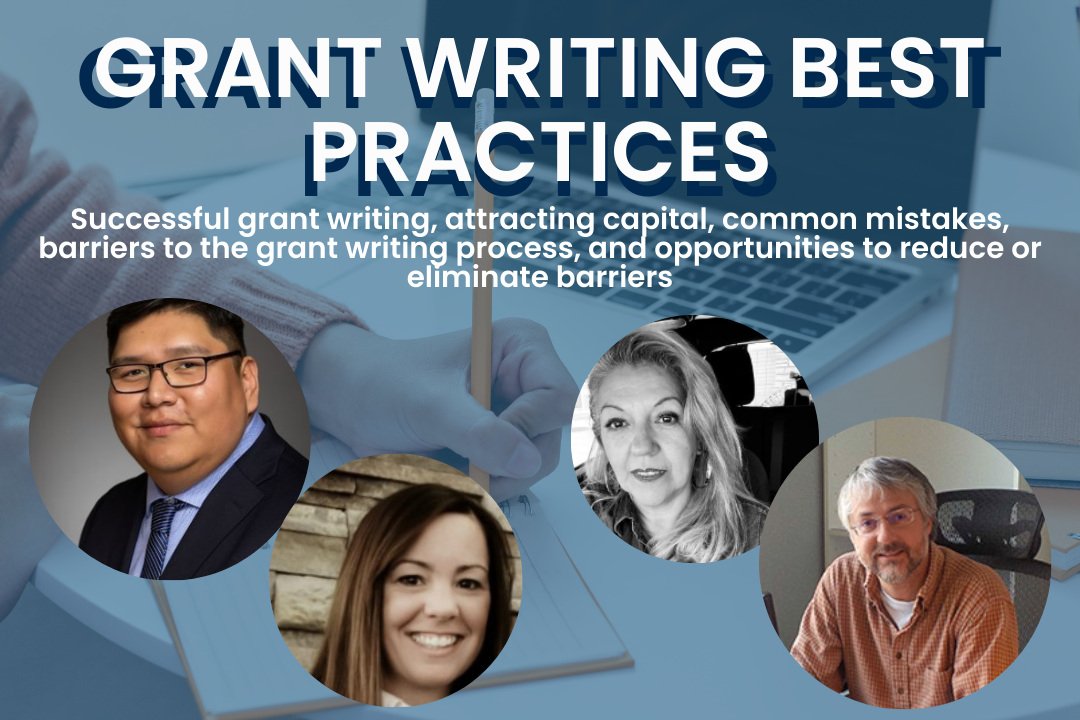
The August CoP session featured a panel of grant experts who discussed strategies for writing successful grants and attracting other capital, common mistakes and other barriers to the grant writing process, and opportunities to reduce or eliminate barriers.
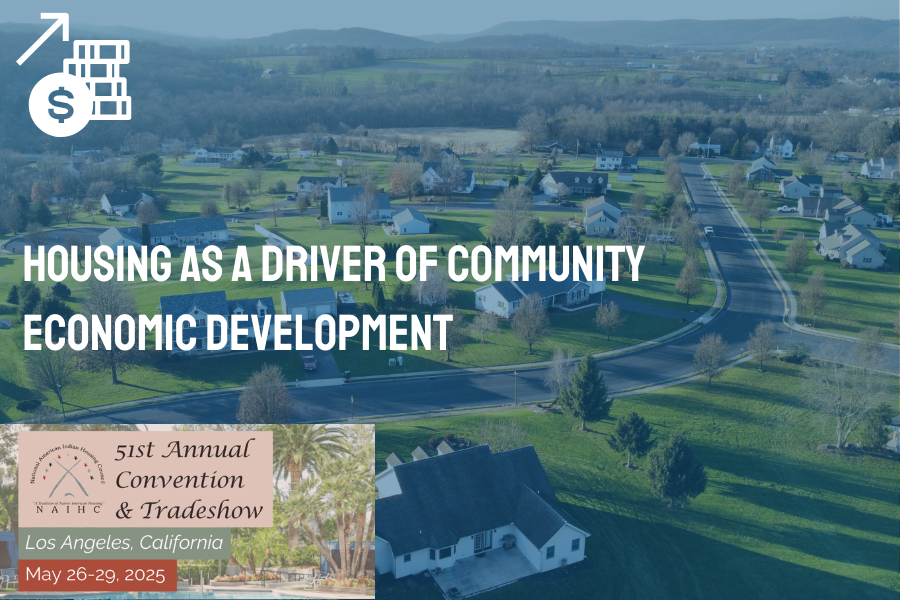
This workshop, facilitated by the Indigenous Economic Development Community of Practice in-person as a pre-convention activity prior to the 2025 NAIHC Annual Convention & Tradeshow in Los Angeles, CA, explored innovative approaches for co-locating housing development with other valuable assets and vital infrastructure in tribal communities.
The third installment in this 3-part training series explored the use of federal contracting to grow tribal enterprises and 8(a) businesses, including training on various types of federal contracts and some important considerations that tribal entities should be aware of as they seek out federal contracts.
This session is the second installment in this 3-part training series and will describe approaches that tribal business entities, small business owners, and entrepreneurs can use as borrowers to cultivate relationships with lenders and investors to support economic development.
This session provides a non-exhaustive list of funding sources and the eligible uses and combinations of these sources as well as training on how to advance economic development through external borrowing/financing of activities (as opposed to purely grant-funded approaches) during the development and implementation of financing plans.
Many tribal and Native economic development plans are never fully implemented. This section will focus on the critical shift from planning to plan implementation. It will cover the timing and sequencing of coordinated and diversified economic development activities . It will also cover how to turn loose planning partnerships into solid development partnerships.
This in-person training at the 2024 NAIHC Legal Symposium in Las Vegas underscores the foundational elements of economic development and provided strategies for developing each of these specific elements. This training covered:
Workforce Development and Housing as Economic Development
Building Entrepreneurial Ecosystems
This virtual training introduced participants who are entering or considering an economic development planning process to its core components. Participants learned about the key internal and external actors, the process’s timeline and duration, the data required, and critical outcomes.
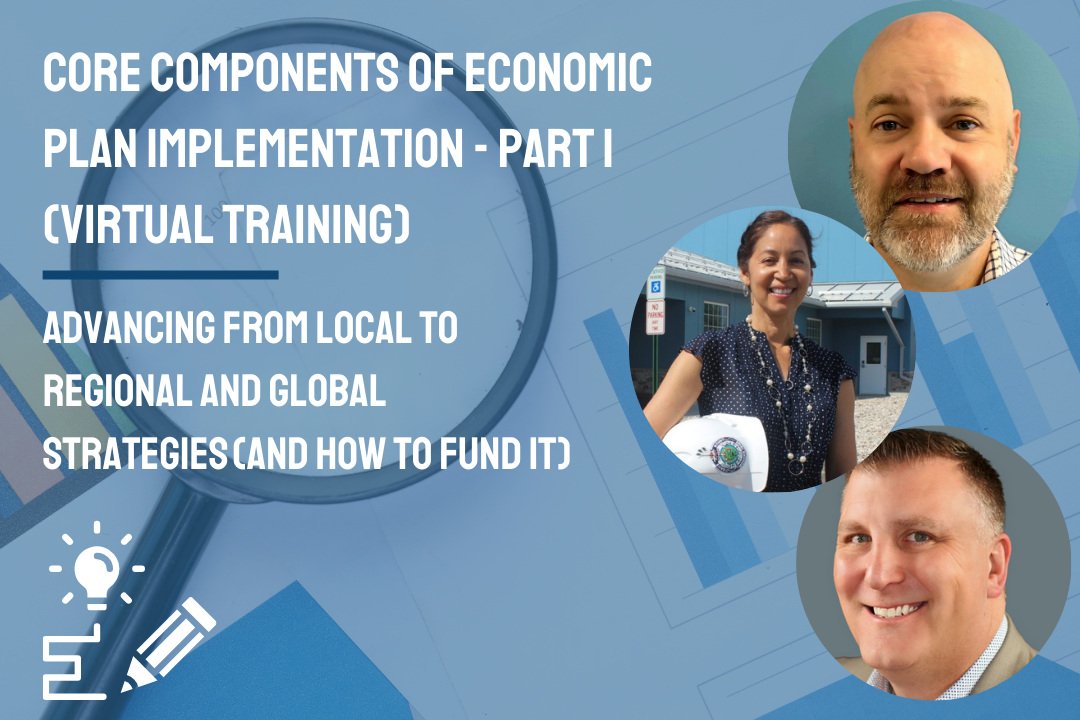
This first section of the track underscores the foundational elements of economic development plan implementation, including a qualified workforce/labor pool, an entrepreneurial ecosystem, and the primary infrastructure necessary to support economic activities.
The first training in the CoP’s 9-part series of a variety of topics across Indian Country. Cris Gastner and Kevin Klingbeil from Big Water Consulting led a discussion and exercises about the foundations and essential components of CED in Indian Country and an introduction to CED planning.
As tribes work on projects to grow and improve their communities, it is essential that all the various sectors of community economic development are involved in the conversation together through a holistic planning process.